"Every Bible should be bound in shoe leather."
— D.L. MoodyThree strangers, three different prayers, one destination.
Walk a mile in their shoes-from wherever you are and discover your mission in the journey
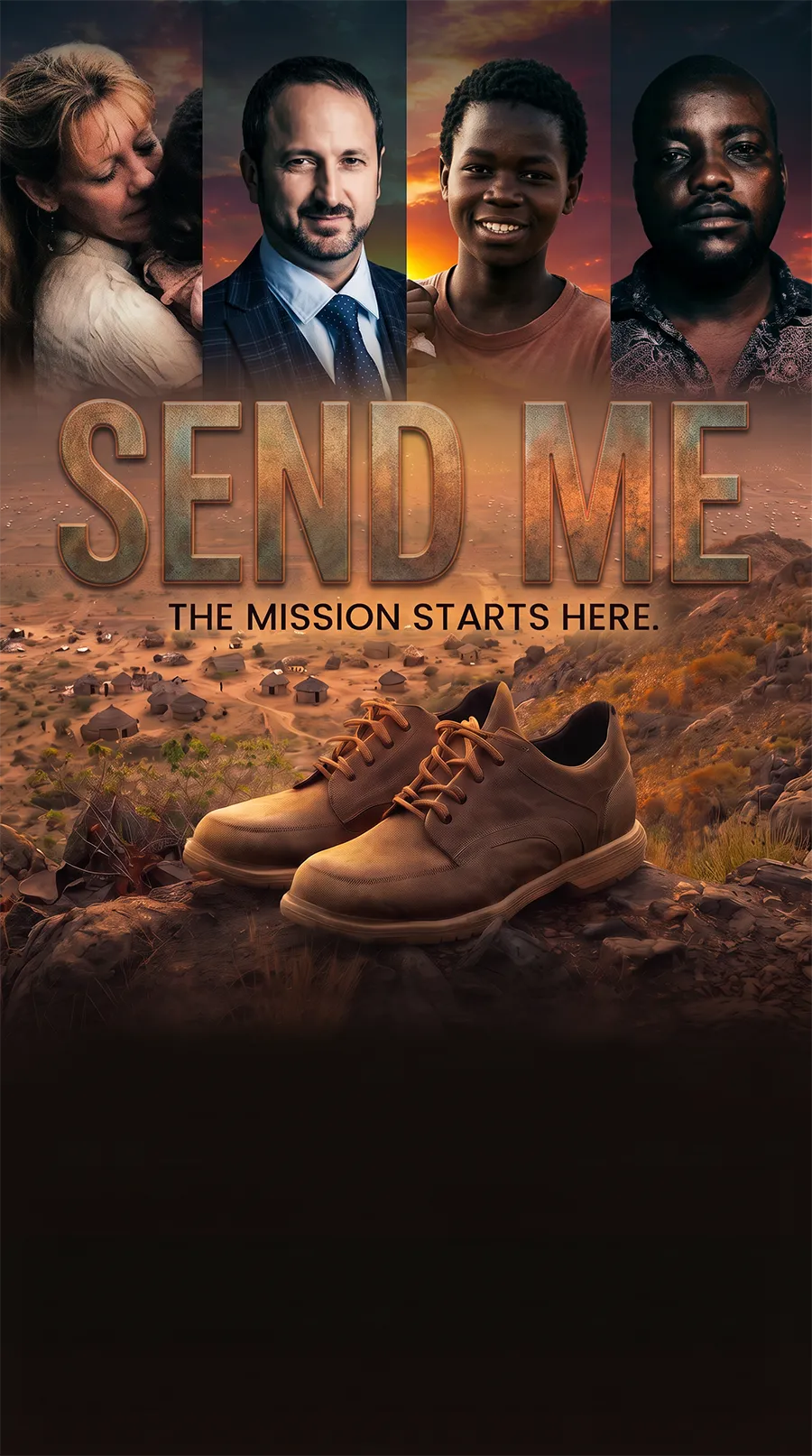
Send Me
OverviewThis isn't a documentary about an organization at all. It's the true story of three strangers whose unique prayers are woven into a single redemptive journey. Favor is not the hero of the film—the Gospel is. Favor simply provides the pathway where obedience becomes transformation.
Rather than explain Favor International, the audience discovers it — three strangers, transformed by Christ, converging in Gulu, Uganda.
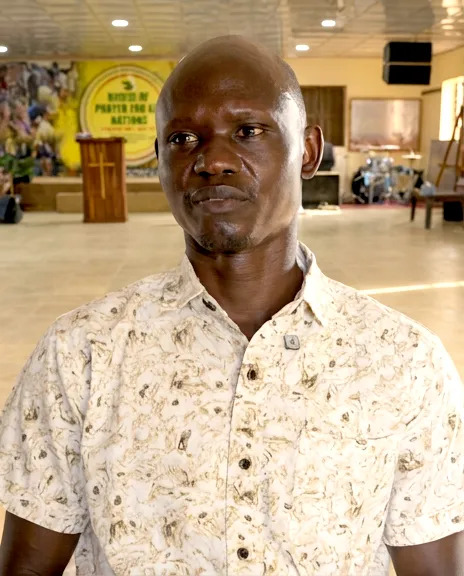
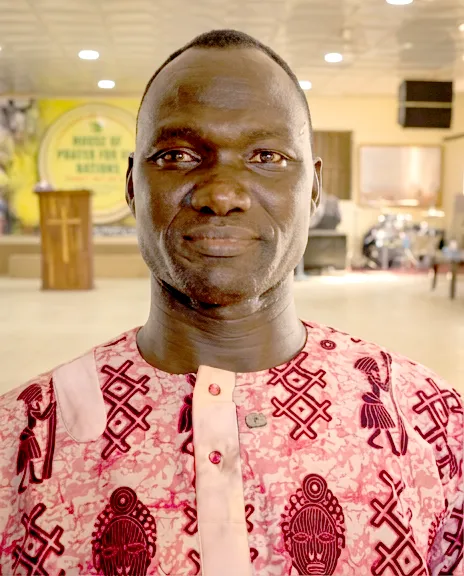
A former child soldier and street child. A Western businessman. A former assassin and devil worshipper — each walking toward the same mission.
By the end, the audience realizes this was never three stories. It's one story — and every viewer is invited into it.
Every transformed heart becomes part of God's mission. Different callings, different mission fields — one Kingdom, one prayer:
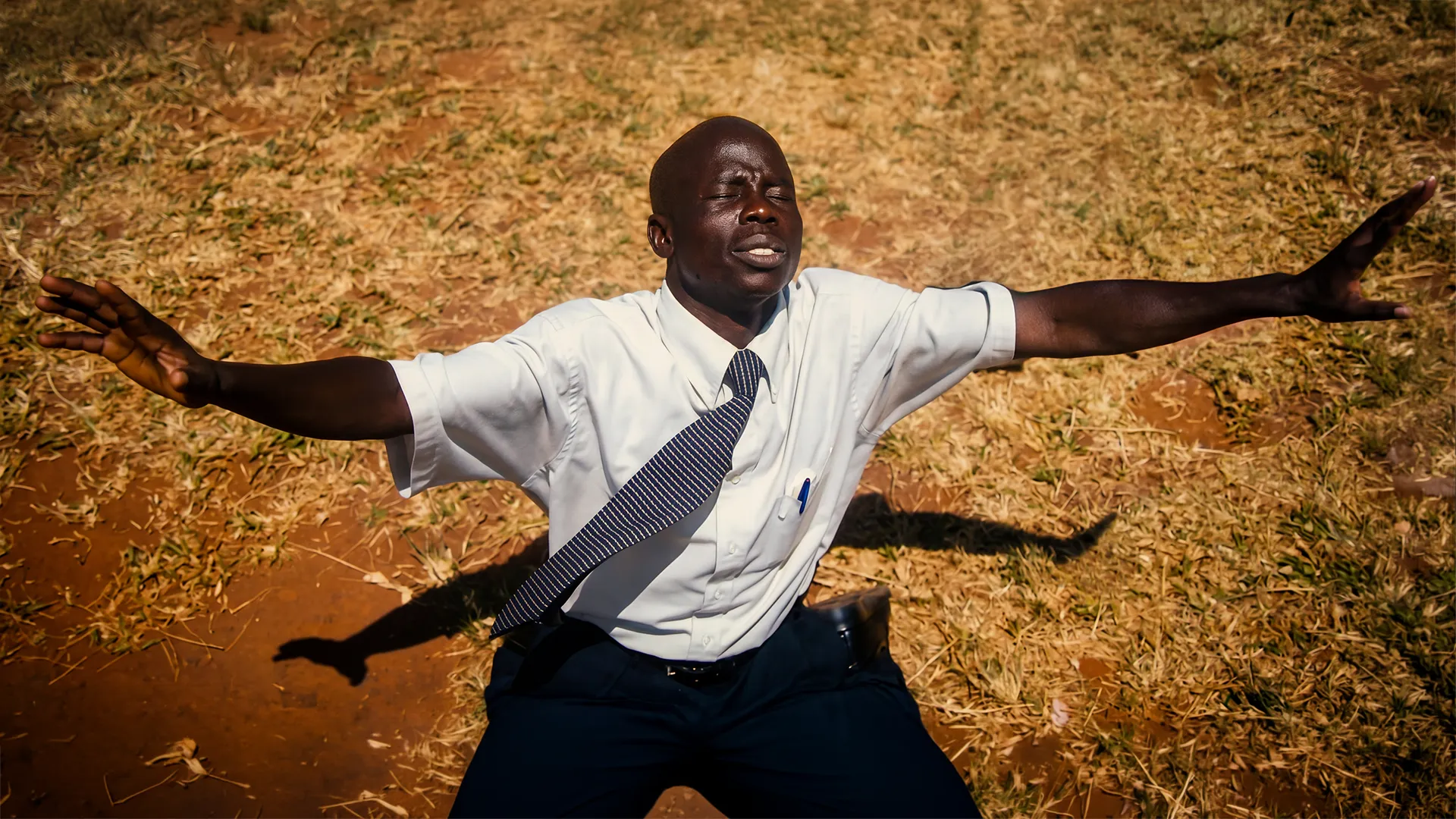
"Here am I. Send me."
— Is. 6:8Not promotional, not a ministry overview — cinematic, intimate, mysterious, hopeful. Character-driven, nonlinear, layered revelation. Documentary meets narrative film.
The audience wonders: Where are they going? — until the final convergence. Then, finally: Where am I going?
If God can use them, maybe God wants to use me, too.

"I've been on the streets since I was ten."

"I called myself a Christian. Nothing had ever moved me."

"I tried to kill her three times."
"I have lived on the streets since I was ten years old."
(or whatever his authentic testimony becomes)
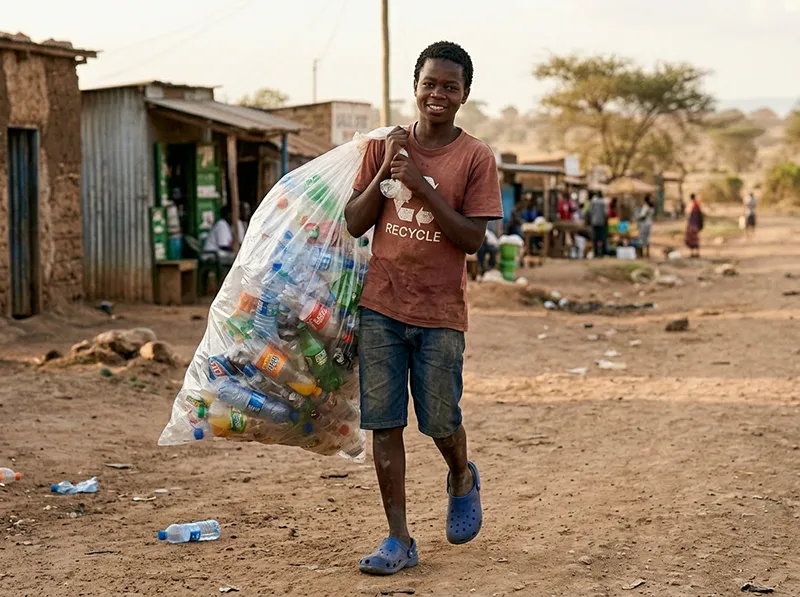
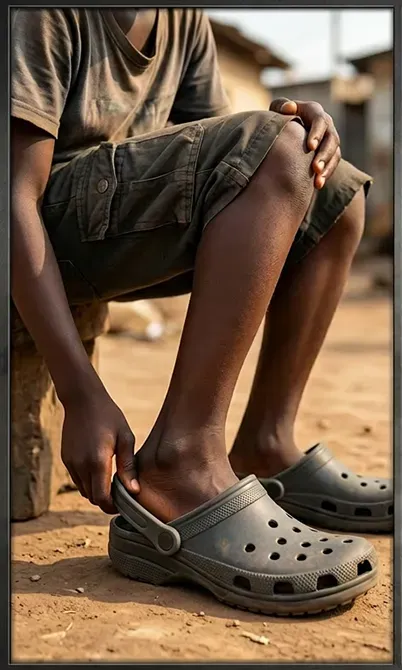
VisualsMorning. Plastic sandals. Gulu streets. Collecting bottles. Walking alone. Watching other children.
We assume he is surviving. We later discover: he is already transformed — ministering to other street children. His opening is a narrative misdirection.

"I believed in God... but my faith never really cost me anything."
or
"I thought success was enough."
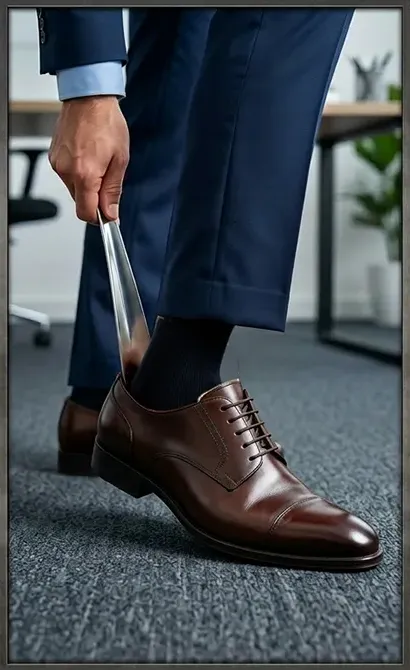
VisualsPacking. Traveling. Boarding planes. Walking through airports. We have no idea where he is going.
His story becomes one of a life of comfort, routine, and low expectations giving way to calling.
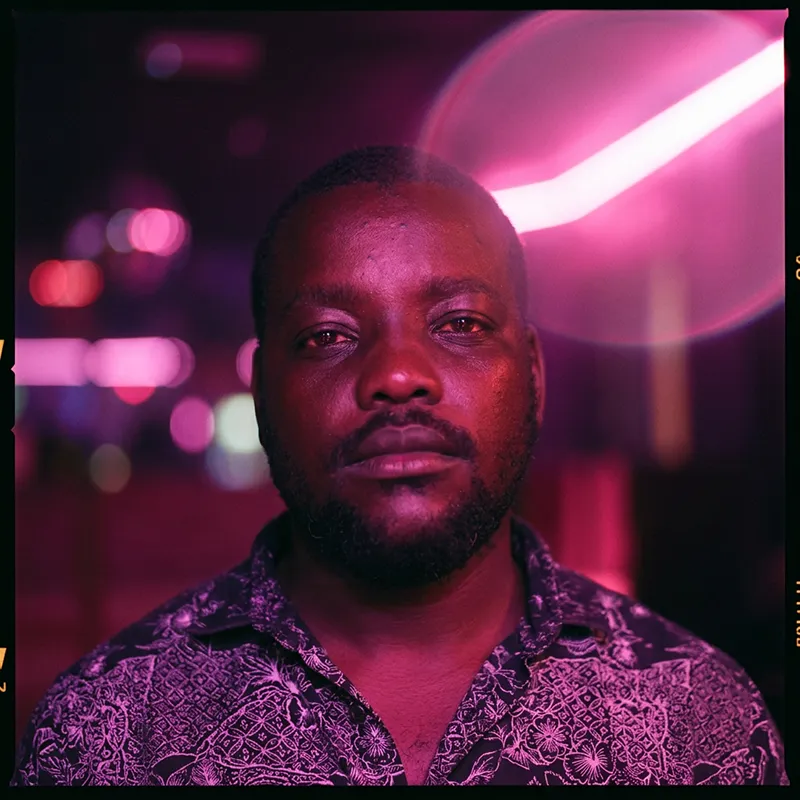
"I tried to kill her three times."
Immediate silence. No explanation. Audience leans forward.
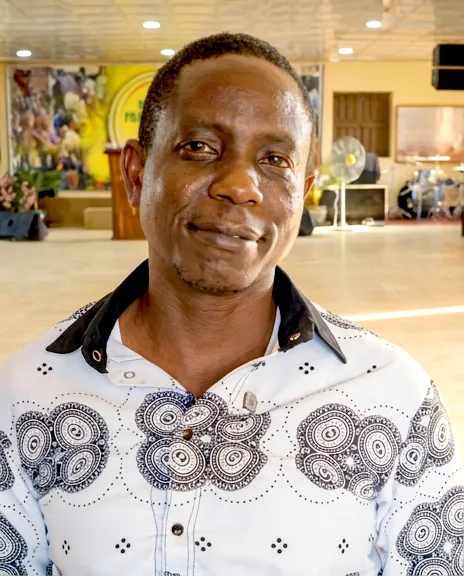
VisualsWe see him preparing to leave the house for the day, packing his bag, heading out the door, taking public transport, but not knowing where he's headed.
His Testimony Unfolds SlowlyOccult, demonic oppression. Violence. Meeting Carole. Transformation. Calling.
Rather than full story arcs, these function as supporting threads — each representing another expression of the same calling.
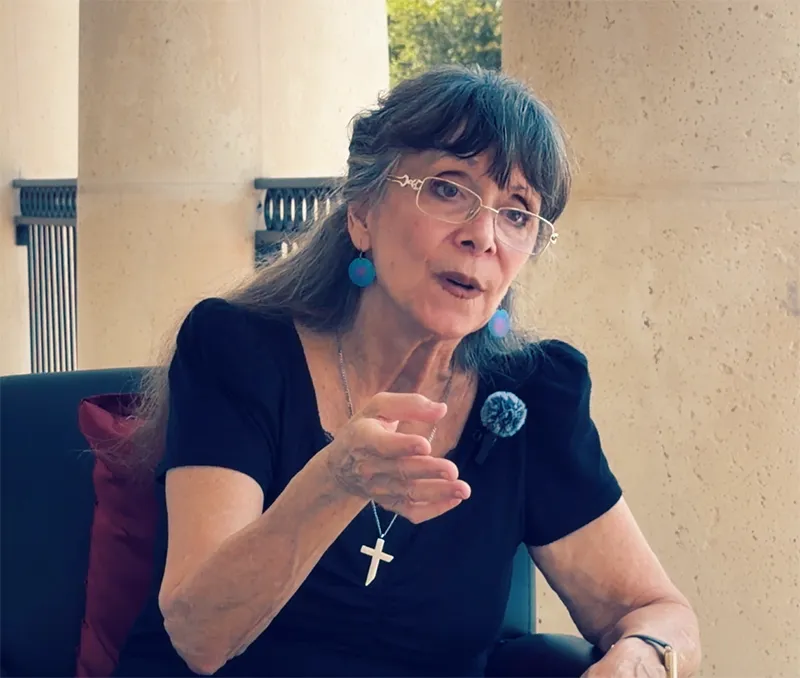
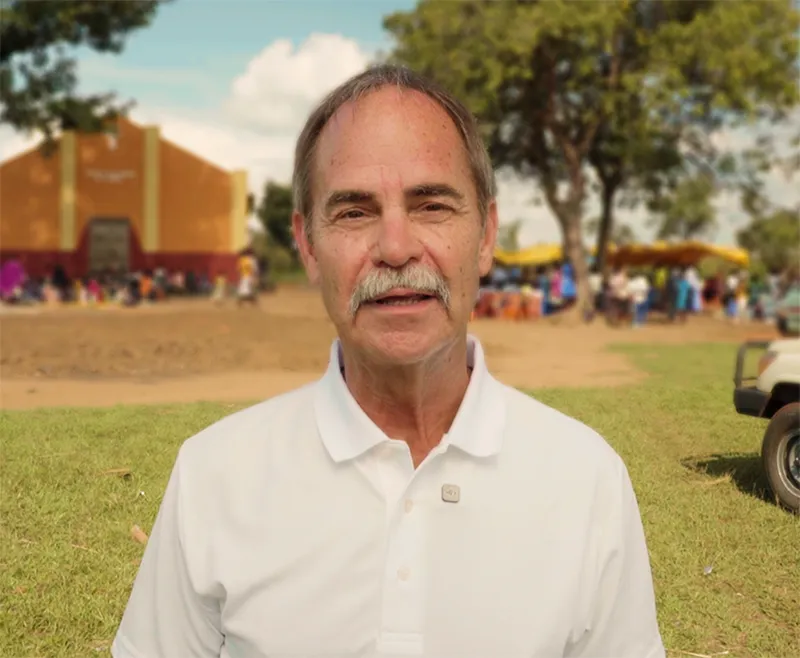
Pattie · Jerry and his wife, Gail · Other ambassadors
Volunteers · Donors · Favor staff
Like a tapestry, the documentary interweaves all three stories into one ever-expanding, global picture of transformation, redemption and discipleship.
Street Boy → Businessman → Cosmas →
Street Boy → Businessman → Cosmas
Each return reveals another piece — every story deepens and leaves us on a cliffhanger as we cut to the next.

Local missionaries with a heart to reach their people.
(Trauma Healing Minister.)

Willing to go where they are called.
(Bible translations into nearly-extinct languages.)

Even when it's dangerous!
(Rural village transformation Minister.)
Instead, the audience discovers programs naturally through people's lives. For example:
Street Boy speaks…
↓ we see Boys' Dorm footage
He remembers learning Scripture…
↓ we see Portable Bible School
He remembers receiving hope…
↓ we see discipleship
Women speak…
↓ Women's Empowerment appears naturally
A pastor speaks…
↓ House of Prayer
Programs are experienced through human stories rather than explained.
Our goal is to have a Christian celebrity narrate the documentary for us to tie things together and provide context. This will help tie the 3 stories together while also interweaving some of Favor's main ministries into the story, namely the massive waves of Portable Bible Schools Favor launches across 14 countries, Bible translations into forgotten languages, public baptisms, schools and village learning centers. First-person testimonies, from interviews.
Every testimony combines:
Current vérité footage — sometimes heartwarming, sometimes raw and real
Interview voiceover — each character in their own voice
Historical photos · Archival footage · News headlines
Location footage · Recreations when appropriate · Drone footage
Daily life · Natural sound
The audience realizes these people have encountered the same Gospel-shaped calling — though not yet understanding they're being drawn toward the same inevitable journey.
Walking · Traveling · Driving
Journeying · Movement
The mystery resolves. All three arrive — at the House of Prayer in Gulu. For the first time, their stories physically intersect: they have always been walking toward the same destination.
Not merely a building — a shared mission.
Each character finishes his testimony and looks directly into camera — breaking the fourth wall for the first time.
"Here am I, Lord… send me."
Back in the States, we see somebody excusing themselves from a conversation to go to a meeting. Once at their desk they open their laptop or computer and join a Zoom call with many others, including the Gulu HOP who have their TV on the wall turned on. Everyone is now a part of the same movement praying and rejoicing together.
Camera slowly pulls away from Earth. The collective voices become one: "Send me." The words appear across the screen — SEND ME. Silence. Then: One Mission. What is your mission field? Fade out.
Learn Carole's story in Send Me Where No One Wants to Go and Send Us Where No One Wants to Go.
The film intentionally avoids the traditional "Western missionary rescues Africa" narrative. Instead, it presents a Biblical picture of the Kingdom.
The former street child is now rescuing other street children. The businessman has found purpose beyond success. The former child soldier now brings peace.
Each was lost in a different way. Each encountered Christ. Each discovered a mission field. None is elevated above another — they are equals in God's Kingdom, each answering the same call with different assignments.
If God transformed them and sent them into their mission fields, maybe He's calling me too?

Don't explain too early — let curiosity drive the first half of the film. Every ministry is anchored in a person's lived experience — met through story, not stated.
The payoff depends on gradually realizing all three lives move toward one purpose.
The final question is personal, not promotional: what is your mission field?
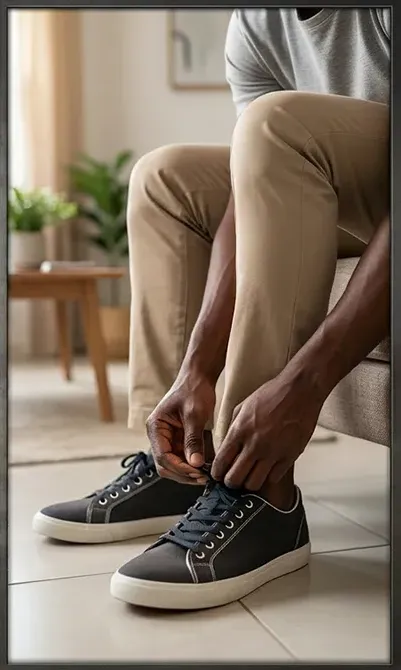
Every pair of shoes represents someone answering God's call.
Not every calling means leaving home. Through Pattie's testimony echoed by others, the film makes the turn explicit: you don't have to go to Africa for God to use you. His plan starts right where you are.
"God's plan for you is far better than anything you could ever imagine for yourself!"
— CAROLE WARD
send me · send me · send me
Partner with us to bring Send Me to screens — and to audiences who need to hear.
Transforming Lives Across
Northeast Africa Since 2003